

Наръчник за отглеждане на екзотични люти чушки
Този наръчник ще се превърне във вашия най-добър приятел при отглеждането на екзотични люти чушки в домашни условия, градина или оранжерия. Също така ще даде отговори на въпроси:
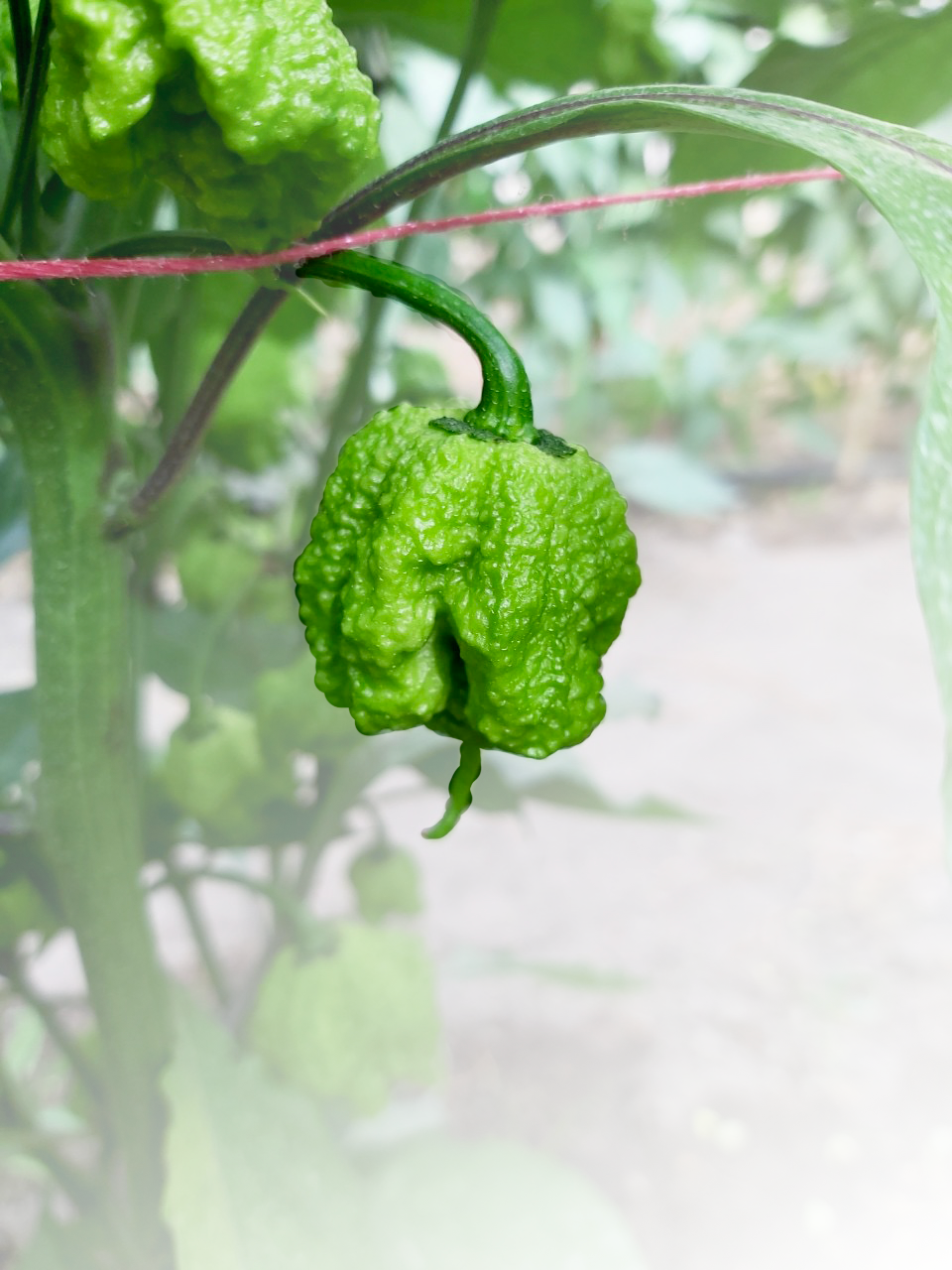
Нека преди това поговорим за екзотичните люти чушки. Преди да започнем да правим каквото и да е първо трябва да се запознаем с тези растения:
- Откъде идват?
- Какво е тяхното семейство?
- При какви условия и къде виреят най-добре?
Да проучим тяхната история, ползи и специфики. Ние посветихме повече от 10 години от живота си, за да опознаем света на лютото и да се приспособим към тези растения.
Екзотичните люти чушки идват от други климатични пояси, идват от страни, където целогодишно е топло и слънчево. Нашите 4 сезона правят отглеждането на лютите чушки в България не толкова лесно, но в никакъв случай невъзможно. Нужно е да познаваме тяхната ботаника, какво обичат, как растат, да ги отглеждаме с любов и търпение.
Средата на отглеждането на лютите чушки е от изключително значение. Чушките са светлолюбиви растения. Тяхното развитие се ускорява и добива се повишава, когато растат на светлина и топло време.
Нужно е да се подготвим със знания да им осигурим топлина, светлина, вода, торф, тор, търпение и любов.
Нашите хоби семена
-
Jalapeño Seeds
Regular price €2,04Regular price €2,04 Sale priceUnit price per€0,00 -
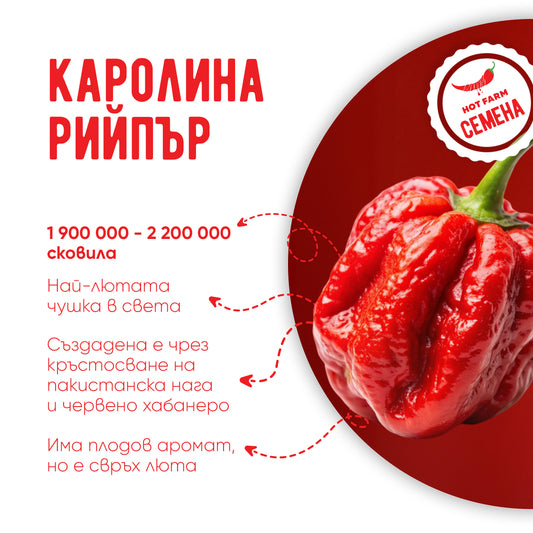
Carolina Reaper Seeds
Regular price €6,29Regular price €6,29 Sale priceUnit price per€0,00 -
Bulgarian Sense Seeds
Regular price €4,19Regular price €4,19 Sale priceUnit price per€0,00 -
 Sold out
White Habanero Seeds
Regular price €4,19Regular price €4,19 Sale priceUnit price per€0,00Sold out -
Hot Pepper Fertilizer
Regular price €3,00Regular price €3,00 Sale priceUnit price per -
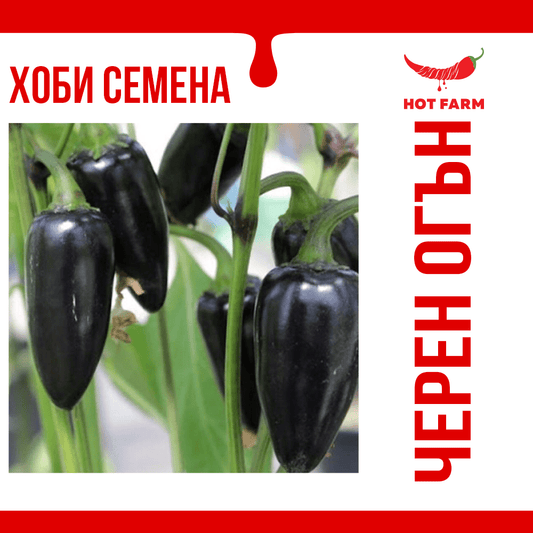
Black Fire Seeds
Regular price €4,19Regular price €4,19 Sale priceUnit price per€0,00 -
Cayenne Seeds
Regular price €3,06Regular price €3,06 Sale priceUnit price per€0,00 -
Seed Starting Tray
Regular price €1,50Regular price €1,50 Sale priceUnit price per€0,00 -
Bulgarian Carrot Seeds
Regular price €2,04Regular price €2,04 Sale priceUnit price per€0,00 -
Peperoncino Etna Seeds
Regular price €4,19Regular price €4,19 Sale priceUnit price per€0,00 -
Peter Pepper Orange Seeds
Regular price €4,19Regular price €4,19 Sale priceUnit price per€0,00 -
Trinidad Moruga Scorpion Yellow Seeds
Regular price €6,29Regular price €6,29 Sale priceUnit price per€0,00










Кога е най-подходящото време да си засадим люти чушки?
Тъй като екзотичните люти чушки се развиват по-бавно и имат много дълъг вегетационен период, най-подходящото време за засяване на семенцата в нашия климатичен пояс е от 20 декември до 20 февруари.
*Тук говорим за най-подходящ период за засяване на най-лютите и екзотични чушки в света, защото им е нужно време, за да се развият. Това обаче може да се направи и до края на март месец, като се има предвид, че лютите чушлета ще дадат плод по-късно.

Как, къде и при какви условия се сеят лютите чушки?
Както всяко нещо, така и засаждането на люти чушки си има неговите особености и трикове.
Подготовка: Добре е, когато се вземат семенцата да се сложат в топла вода за едно денонощие. Предварително трябва да сме подготвили и съда, в който ще ги засадим. Това може да са: форми за разсад, кашпи, кофички, саксии и др.
Изключително важно е да подберем и използваме фина торфена смес за зеленчуци за най-благоприятното развитие на растенията. След като имаме торф идва моментът на поставянето на семенцата. Не правете грешката да засеете семенцата твърде дълбоко. Притискат се три пъти по диаметъра на семенцето или 0,5 см. в торфената смес. След като сме поставили семенцата ги покриваме с торф, която притискаме, за да могат семената да се уплътнят. След това ги поливаме обилно с хладка вода и се поставя фино фолио, за да създаде парников ефект, което не позволява изпаряването на водата. Оставяме ги на топло място между 20 – 25 градуса. Не ги поливаме до тяхното поникване.

Как, къде и при какви условия се сеят лютите чушки?
След като растенията се покажат (необходими са около 15 дни) трябва да намалим температурата на 18 градуса, да махнем фолиото и да им се приложи светлинен режим. *Оптимална температура за развитието на разсада от люти чушки е от 18 до 25 градуса. Когато растението има от 2 до 4 същински листа е добре да се пикират в по-големи саксии по един корен и отново поливаме обилно. След около 15-20 дни е хубаво да им сложим многокомпонентна тор.

Кога разсадът е готов за окончателно посяване?
След около 6-8 седмици разсадът от люти чушки ще е готов за разсаждане на постоянното им място – в контейнери, оранжерии или в градината.
През ранната фаза, лютите чушки черпят по-малко хранителни вещества от почвата, но през цъфтеж и в началото на образуване на плодовете необходимостта от хранителни вещества рязко нараства. Най-много хранителни вещества растенията използват през периода на масово плододаване и тогава имат най-много нужда от тор.

Какво е техническа и какво е ботаническа зрялост на лютите чушки?
В техническа зрялост плодовете на лютите чушки са зелени, но с добре изразени вкусови качества и с типичната за сорта големина форма и гланц. В ботаническа зрялост плодовете на лютите чушки имат освен типичната за сорта големина и форма, но и различни на цвят окраски, гланц, вкус и лютивина на зрелите плодове.

Болести и вредители
Прекаленото поливане може да доведе до изгниване на корените, а липсата на влага до съхнене и окапване на листата. От вредителите най-опасни са листните въшки и акарите. Можете да се отървете от тях с помощта на инсектициди.
